

5 Real Ways Small US Businesses Are Using AI Agents to Save Time and Money in 2026
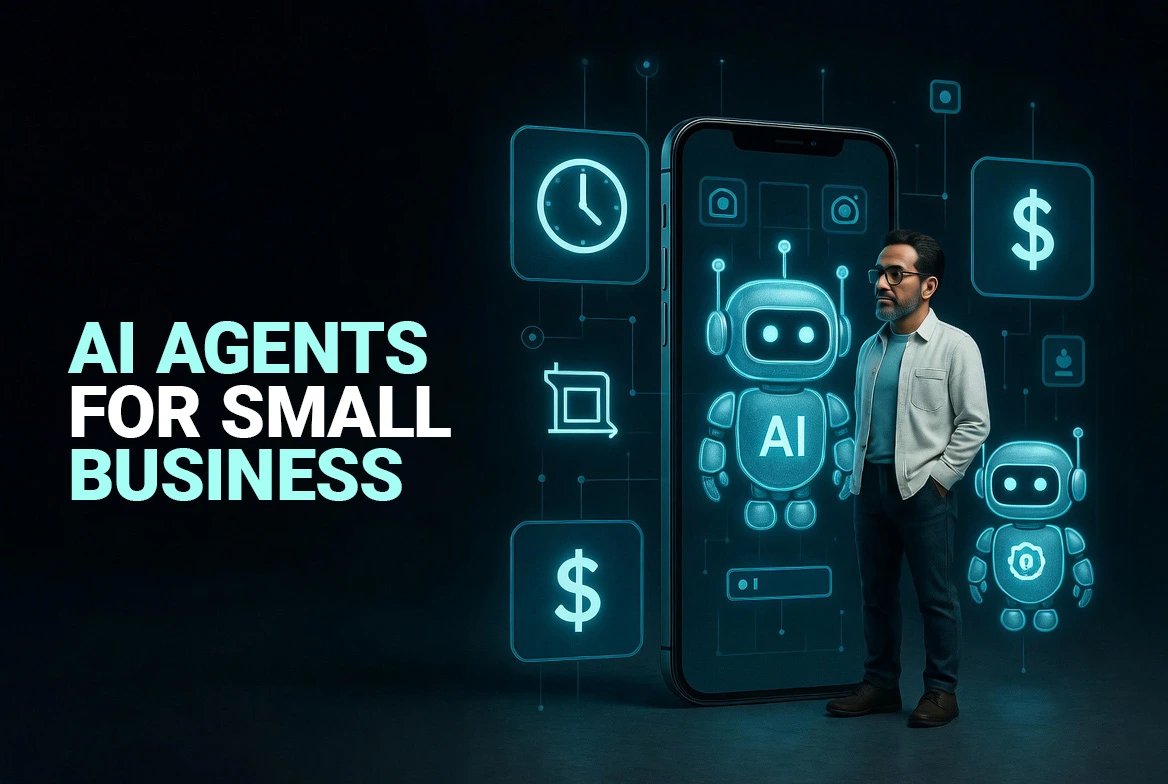
Small US businesses operate with limited resources and tight margins. Every hour spent on repetitive tasks directly impacts profitability and growth. In 2026, AI agents for small businesses have become a practical and powerful solution. These autonomous systems can plan and execute multi-step workflows and integrate seamlessly with your existing tools, going far beyond basic chatbots to handle complete processes with minimal oversight.
According to industry reports, small businesses that use AI agents save 10-15 hours per week on average and reduce operational costs by 20–40% in targeted areas. This guide explores five proven ways small US businesses in the retail, healthcare, and legal sectors are successfully using AI agents, with real-world stories, implementation details, and measurable results you can apply today.
These stories demonstrate that AI agents are accessible and deliver clear ROI without requiring large technical teams or enterprise budgets.
1. Automating Customer Support and Lead Qualification
A family-owned retail store in Texas with an online presence previously relied on the owner and one part-time staff member to handle website inquiries, social messages, and phone calls. Response delays during peak hours led to lost sales.
The business implemented an AI Customer Support Agent that integrates with their website, Shopify store, and email. The agent answers product questions, checks inventory in real time, qualifies leads by asking targeted questions, and schedules consultations or processes simple orders. For complex issues, it escalates to a human with full context.
Results: The store resolved 75% of inquiries automatically, reduced response time from hours to seconds, and increased conversion from website traffic by 28%. The owner previously regained approximately 12 hours per week from routine messaging.
Why it works for small businesses: AI agents maintain a consistent brand voice 24/7 and scale during sales events without extra staffing costs. Many retail operations now use hybrid setups where agents handle initial engagement while humans focus on relationship-building.
Have you ever lost a potential customer because no one responded quickly enough?
2. Streamlining Hiring and HR Onboarding Processes
A small healthcare clinic in Florida with 18 employees struggled with high turnover in administrative roles. Manual resume screening, interview scheduling, and initial onboarding took the office manager 15–20 hours per hire.
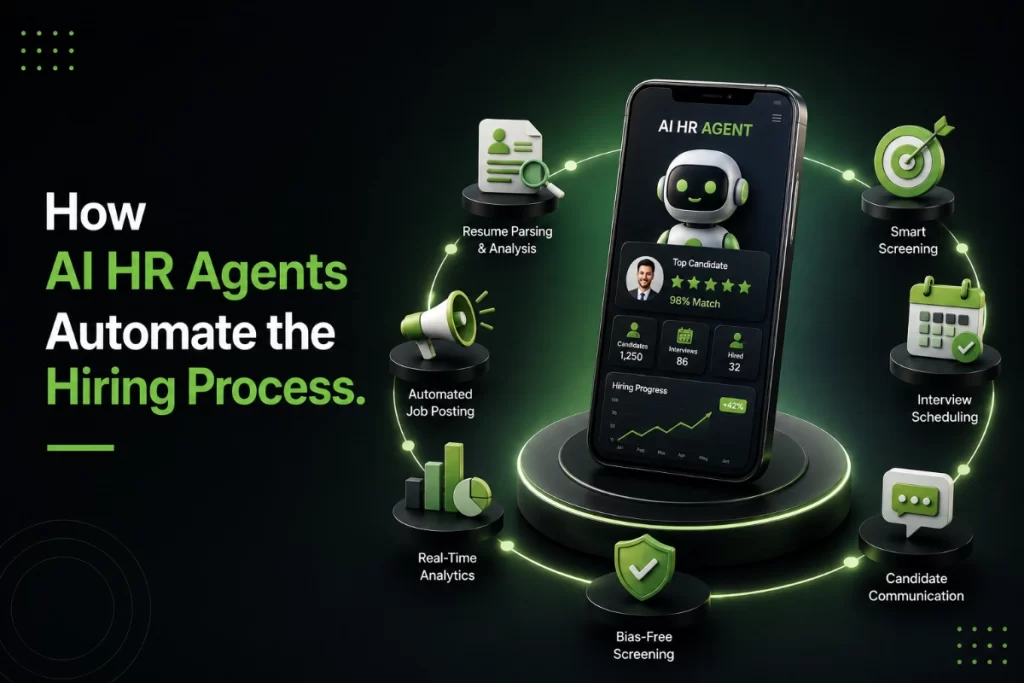
They deployed an AI Human Resource Agent to automate hiring workflows. The agent scans applications against job criteria, conducts initial phone screenings via voice or text, schedules interviews in available calendars, and prepares personalized onboarding documents once a candidate accepts.
Results: Time-to-hire decreased from 28 days to 9 days. The clinic reduced recruitment costs by approximately $4,200 per quarter by minimizing external recruiter fees and administrative time. Employee satisfaction with the onboarding process improved due to faster, more consistent communication.
This use case aligns directly with Organix-IT’s AI Human Resource Agent solutions, which emphasize automating repetitive hiring tasks while retaining final decisions in the hands of human leaders.
Key takeaway: For professional services and healthcare practices, AI agents reduce compliance risks by ensuring consistent documentation and flagging incomplete information early.
3. Managing Scheduling, Appointments, and Reminders
A solo legal practice in California handled appointment coordination, document follow-ups, and client reminders manually. Missed appointments and double-bookings created revenue loss and stress.
The attorney integrated an AI agent that connects with their calendar, case management system, and client portal. The agent books consultations based on availability and practice area, sends automated confirmations and reminders, reschedules when needed, and prepares basic intake forms before meetings.
Results: No-show rates dropped by 45%, and the practice increased billable hours by nearly 8 per month. The attorney now dedicates the time saved to client work and business development rather than administrative coordination.
Similar patterns appear in retail service businesses (salons, repair shops) and medical practices where appointment density directly impacts revenue.
4. Handling Invoice Processing and Basic Financial Tasks
A small retail wholesaler in the Midwest processed 200+ invoices monthly using spreadsheets and manual data entry. Errors, delayed payments, and time spent chasing receivables created cash flow challenges.
They introduced an AI agent that extracts data from incoming invoices (PDFs and emails), categorizes expenses, updates accounting software, generates payment reminders, and flags anomalies for review. The agent also produces weekly cash flow summaries.
Results: Invoice processing time reduced from 25 hours to under 4 hours per month. Days’ sales outstanding (DSO) improved by 5 days, improving cash flow. Error rates dropped significantly, reducing costly corrections.
Small businesses in retail and service industries report similar gains in financial operations through targeted AI automation.
5. Content Creation and Marketing Workflow Automation
A boutique retail shop in New York needed a consistent social media presence and email marketing but lacked dedicated staff. Manual content creation consumed evenings and weekends.
The owner implemented an AI agent that analyzes past performance, researches trending topics relevant to their niche, drafts social posts and email newsletters, schedules them across platforms, and suggests basic optimizations based on engagement data.
Results: Posting frequency increased from 3 times per week to daily, with minimal owner input. Organic reach grew 35%, and email open rates improved through better personalization. The business owner reclaimed creative energy for strategy rather than execution.
This approach helps many small US businesses maintain marketing momentum without full-time specialists.
Common Implementation Patterns Across Industries
Successful small business AI agent deployments share several characteristics:
- Start with one high-volume, repetitive workflow rather than attempting full automation immediately.
- Integrate with existing tools (CRMs, accounting software, calendars, e-commerce platforms).
- Maintain human oversight for final decisions and exceptions.
- Focus on data privacy and compliance, which is especially important for the healthcare and legal sectors under US regulations.
- Measure success through clear metrics: time saved, cost reduction, and revenue impact.
Businesses that treat AI agents as team members rather than replacements achieve the strongest results.
Addressing Key Questions Small Business Owners Ask
How much do AI agents cost to implement for a small US business?
Entry-level solutions start at a few hundred dollars per month, while customized agentic workflows range from $2,000–$15,000 for initial setup, plus ongoing costs. Many see payback within 3–6 months through time and labor savings.
Do I need technical expertise to use AI agents?
Modern platforms require minimal coding. Good providers handle integration and training. Focus on clear process documentation when working with partners.
Are AI agents secure for sensitive industries like healthcare and legal?
Reputable solutions include strong data controls, audit logs, and compliance features. Always verify SOC 2, HIPAA, or other relevant certifications.
What if the AI makes a mistake?
Build escalation paths and review mechanisms. Start with low-risk tasks to build confidence and refine performance.
Why AI Agents Represent a Competitive Advantage for Small US Businesses in 2026
Small businesses that adopt AI agents level the playing field against larger competitors. They operate more efficiently, respond faster to customers, and allocate human talent to high-value activities that drive growth.
The technology has matured to the point where practical, industry-specific applications deliver measurable returns without massive upfront investment.
Organix-IT specializes in developing and integrating AI agentic solutions tailored for small and mid-sized US businesses. Our AI Customer Support Agent and AI Human Resource Agent (focused on hiring automation) help companies implement these workflows securely and effectively while integrating with custom software, mobile apps, and existing systems.
Ready to Explore AI Agents for Your Business?
Review your current operations and identify the repetitive tasks that consume the most time. Many small business owners discover quick wins in customer support, hiring, or administrative areas.
Contact us for a no-obligation consultation. We assess your specific needs, recommend suitable AI agent approaches, and provide clear implementation roadmaps with expected ROI.
The businesses seeing the greatest success in 2026 started with a single practical use case. Your next step could deliver similar time and cost savings.
Hire Developer